 Tokely
THE SHORT ANSWER
At 11:48 a.m. ET on November 19, the first share of Anthropic changed hands on Nasdaq for $111.50. The night before, bankers had priced it at $83. In two hours and eighteen minutes of auction, the market added 34% to the largest IPO in history.
By 3 p.m. the same share cost $96.35. Here is what happened in between, why investors paid this much for a company that lost $104 billion in nine months, and who actually controls it now.
What happened on November 19?
Anthropic sold about 980 million Class A shares at $83 each and raised $81.3 billion. It had planned to sell 825 million shares in a range of $70 to $78. Demand was strong enough to raise both: investors reportedly asked for six times as many shares as were on offer.
On top of the IPO, a group of tech companies including Google, Microsoft, Nvidia and AMD agreed to invest $26 billion at the IPO price. Goldman Sachs and Morgan Stanley led the deal, with 20 more banks behind them.
At $83, Anthropic's fully diluted value is around $1.5 trillion. That makes it roughly the 12th biggest company in the world, just behind Tesla. At the first trade of $111.50, the same count of shares is worth about $2 trillion. In May 2026, private investors had valued the company at $965 billion.
Did it really beat SpaceX?
On the headline number, yes. SpaceX raised $75 billion in June, selling shares at $135 each. Anthropic's $81.3 billion is bigger, which makes it the largest IPO on record.
There is a footnote. After its listing, SpaceX sold extra shares when underwriters exercised their overallotment, bringing its total to $85.7 billion. SpaceX was also valued higher at listing, at about $1.75 trillion against Anthropic's $1.5 trillion. So Anthropic owns the record for the opening raise, and the argument about the full total will run for a while.
Why would anyone pay $1.5 trillion?
Because of one line in the filing. Revenue for the nine months to September 30 was $33.24 billion, up about 1,200% from the same period a year earlier. The third quarter alone brought in $17 billion.
An amended filing added a sharper number: run-rate revenue of roughly $81 billion at the end of October, up $10 billion in a single month. Run-rate takes recent sales and projects them over a year, so it is not a trailing total. Even so, few companies have ever grown this fast at this size.
The same filing shows the cost. Anthropic reported a net loss of $104 billion for those nine months. Most of it came from non-cash accounting changes in the value of convertible notes and derivatives, not from running the business. The company also lists nearly $901 billion in computing and infrastructure commitments. That is the real bet: buy the compute now, and trust that demand keeps up.
What happened after the first trade?
The stock went up, then came back down. One minute after the open, at 11:49 a.m. ET, ANT hit its high of the day at $114.99. By 1:18 p.m. it touched $92.72. At 3:00 p.m. it traded at $96.35, which is 16.1% above the IPO price and 13.6% below the first trade.
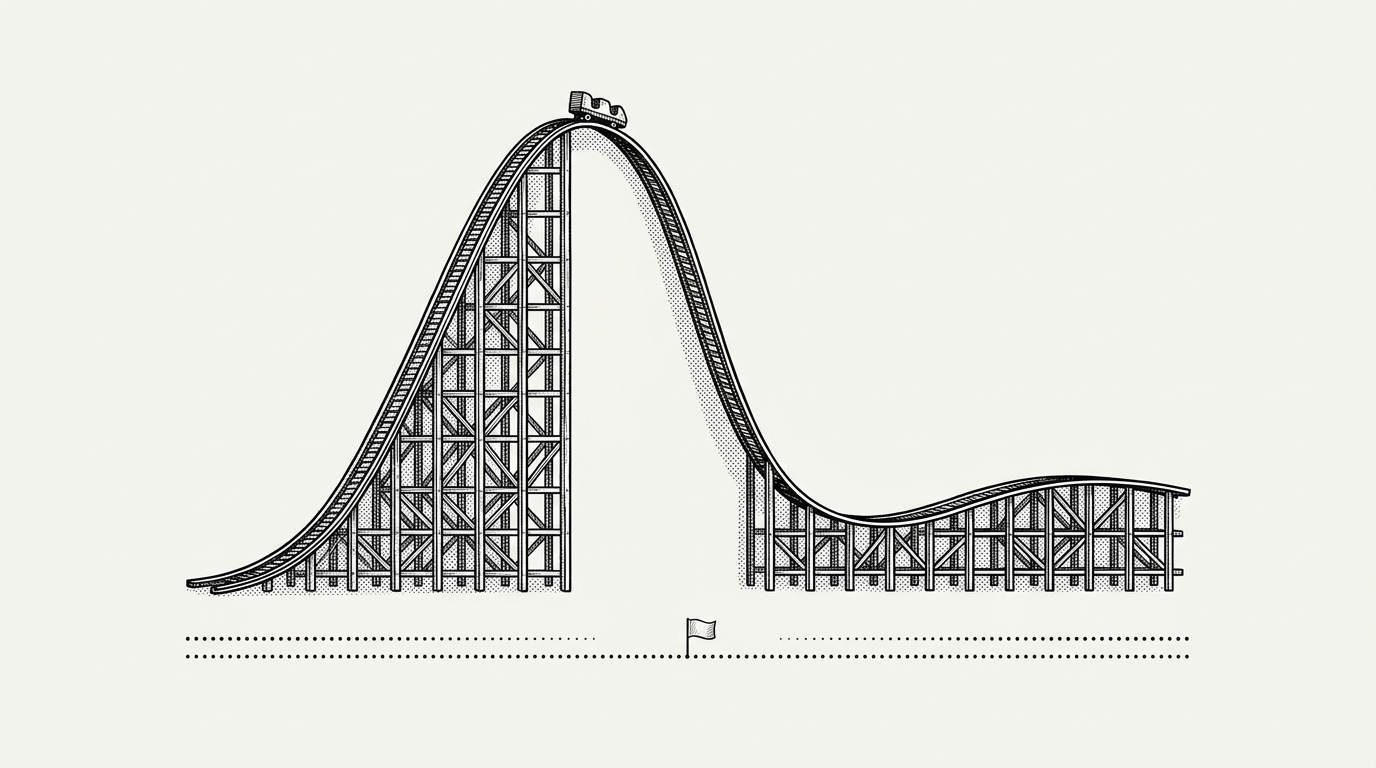
About 738 million shares changed hands by 3 p.m. For comparison, SpaceX opened on June 12 at $150, 11.1% above its own IPO price. Anthropic opened with a bigger jump, and then gave a good part of it back on the same afternoon.
Who controls Anthropic now?
Not the new shareholders. The founders hold a special class of shares that keeps 50.1% of the vote on general shareholder matters. The Long-Term Benefit Trust, the body Anthropic set up to weigh safety and the public interest, will generally pick a majority of the board.
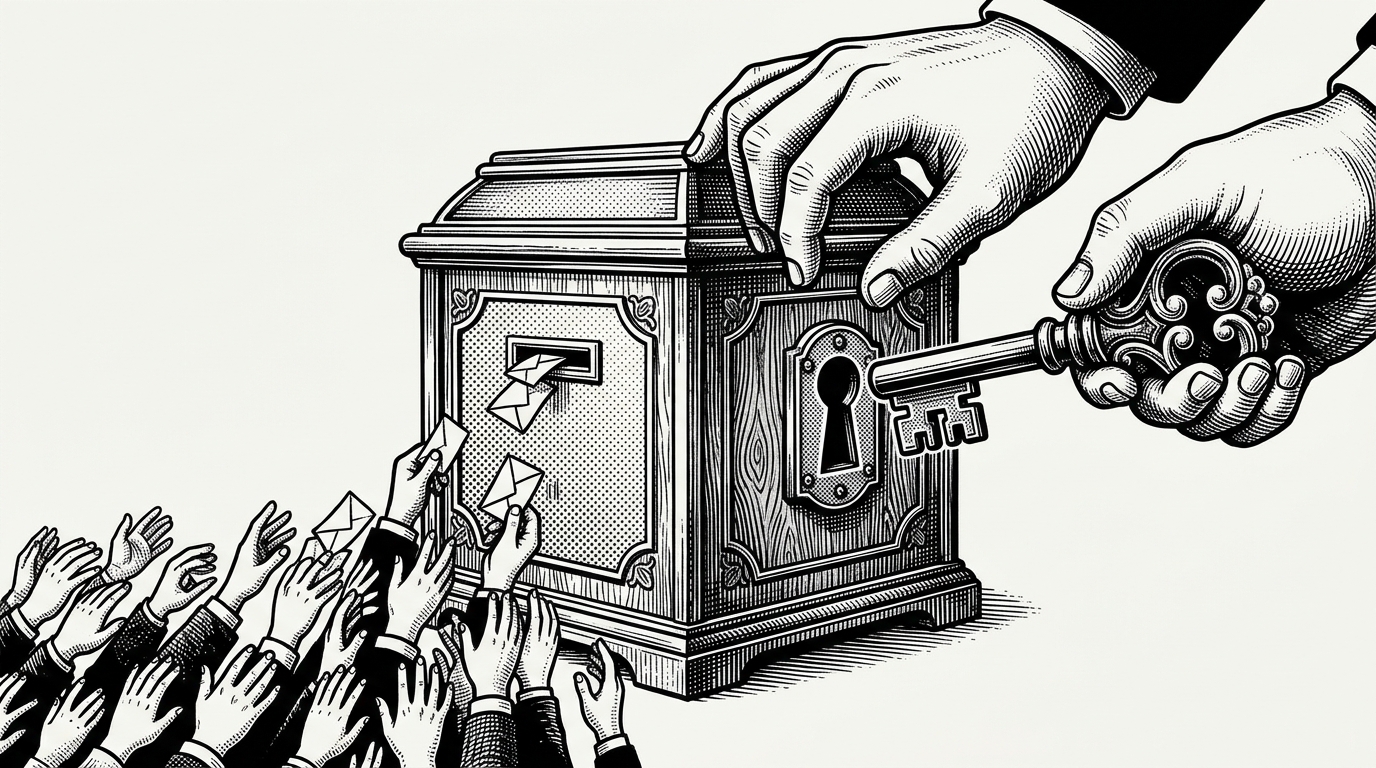
Up to 20% of the IPO shares were set aside for retail buyers. Lockups are uneven: up to 315 million shares held by non-founder insiders can be sold from the first day, while founders and some large holders are locked up for up to a year. Each of the seven co-founders is selling 3.38 million shares in the IPO, for total proceeds of $1.96 billion.
Bubble or new era?
The prospectus has more than 90 pages of risk factors. The listing also landed in a nervous week: markets were already worried about interest rates and data center debt, and Jensen Huang had been pushed out as Nvidia's CEO days earlier.
Dario Amodei pitched the other side in the roadshow video. "I think if we do this right, we can create an age of miracles," he said, adding that the company has to make sure it addresses the risks very carefully.
Both stories can be true for a while. What is already clear is that the AI race now has a public price, updated every second. Every model launch, outage or leak will show up on a chart. Last week that meant Claude Fable 5.2, this week GPT-6.2.
What does it mean if you build on Claude?
A share price is not a price list. What you pay for Claude comes from the API rate card, not from the Nasdaq ticker. On Tokely, Claude Fable 5.2 lists at $6 input and $30 output per 1M tokens, and our pricing breakdown shows what that means per task.